The MET
Impressions
Client: AbnerHenry
Collaboration: The MET
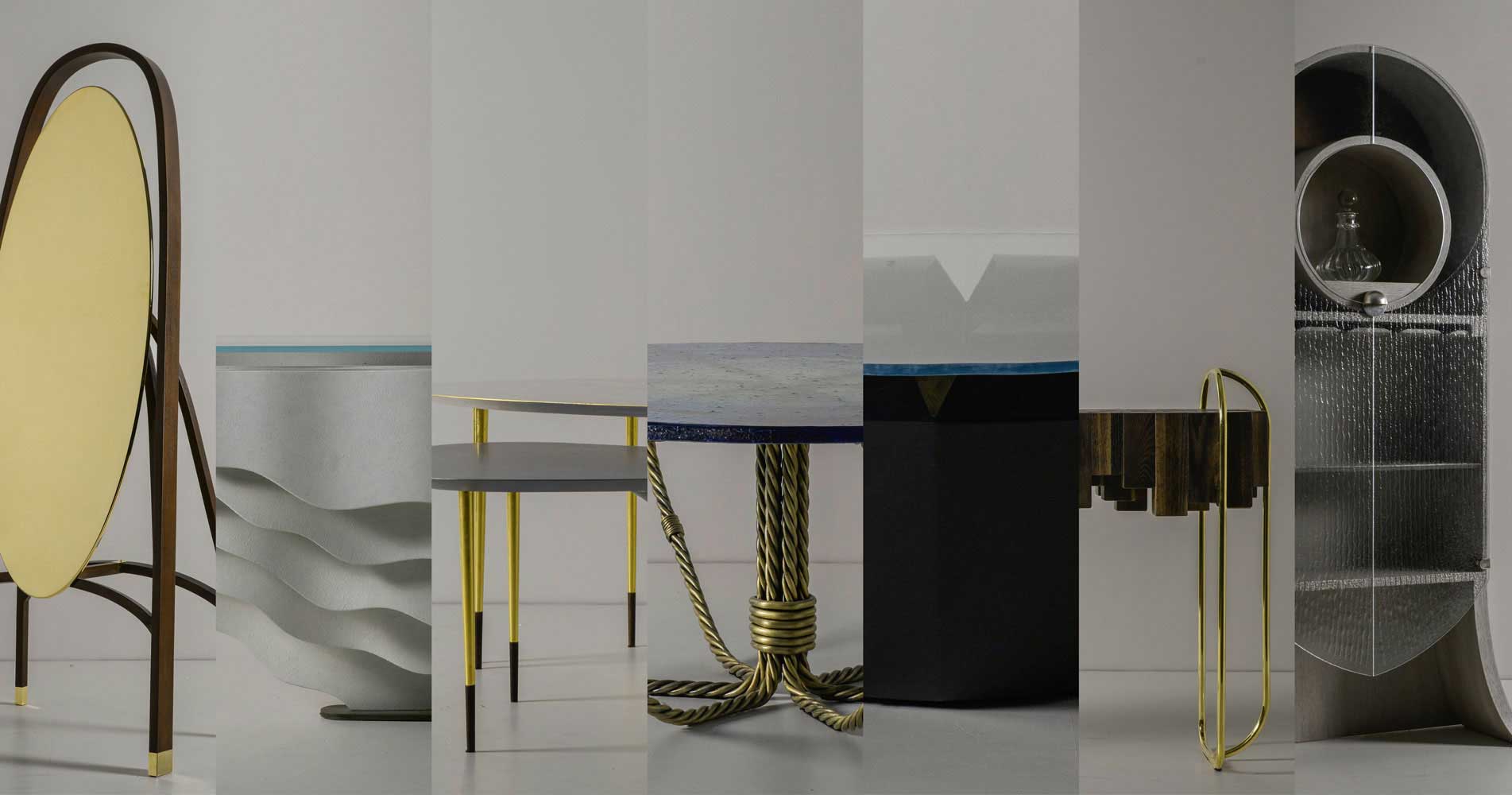
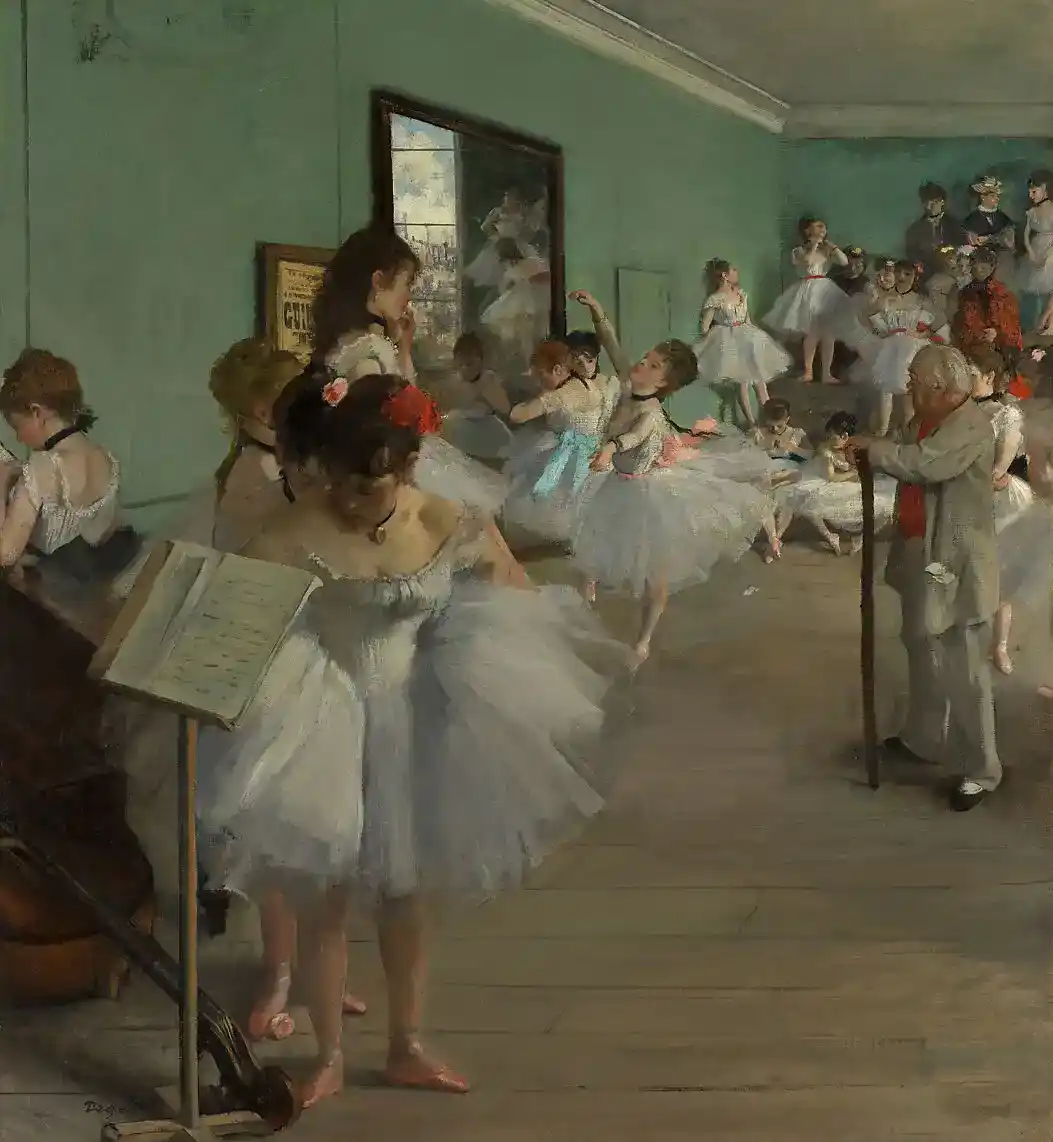
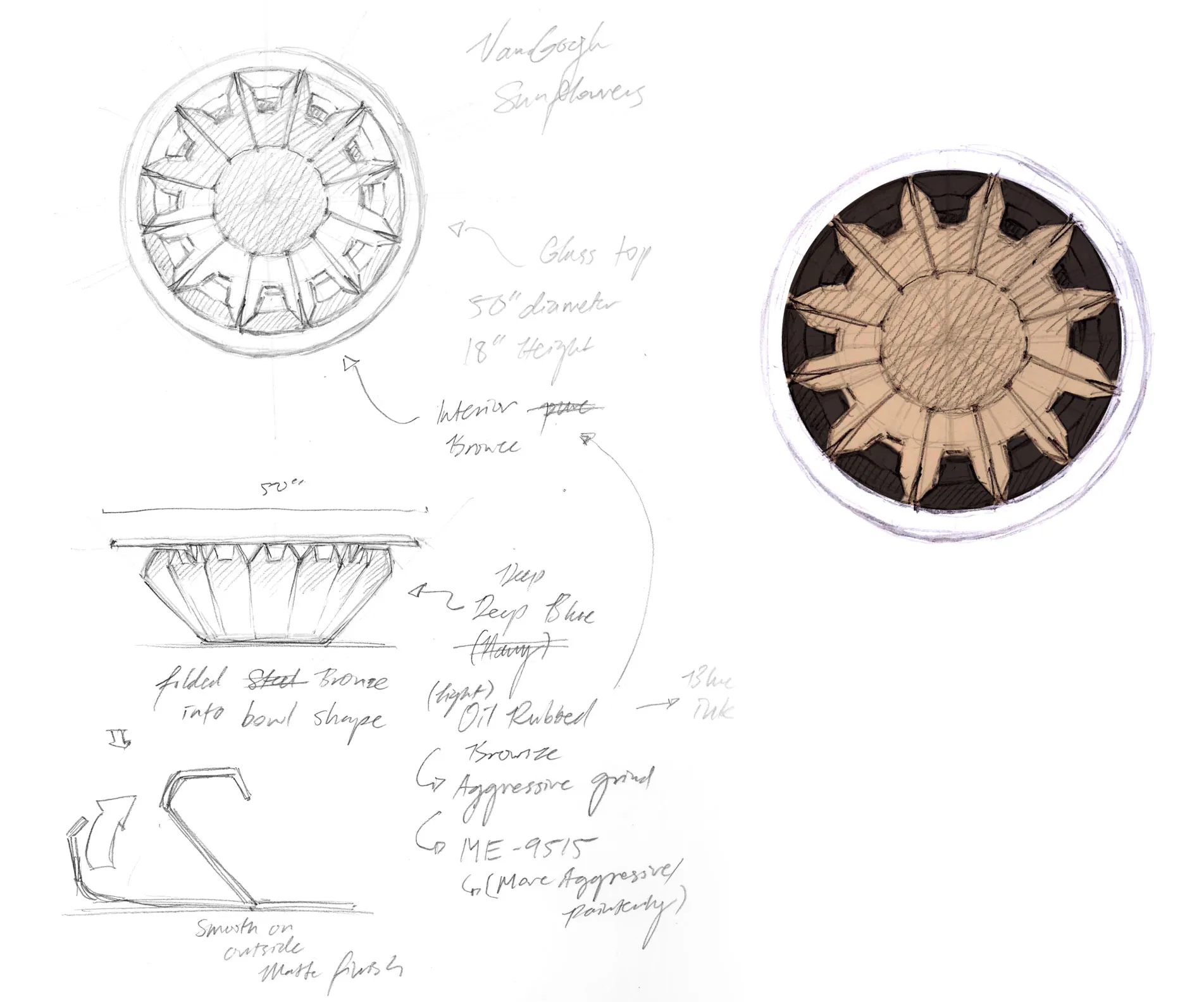
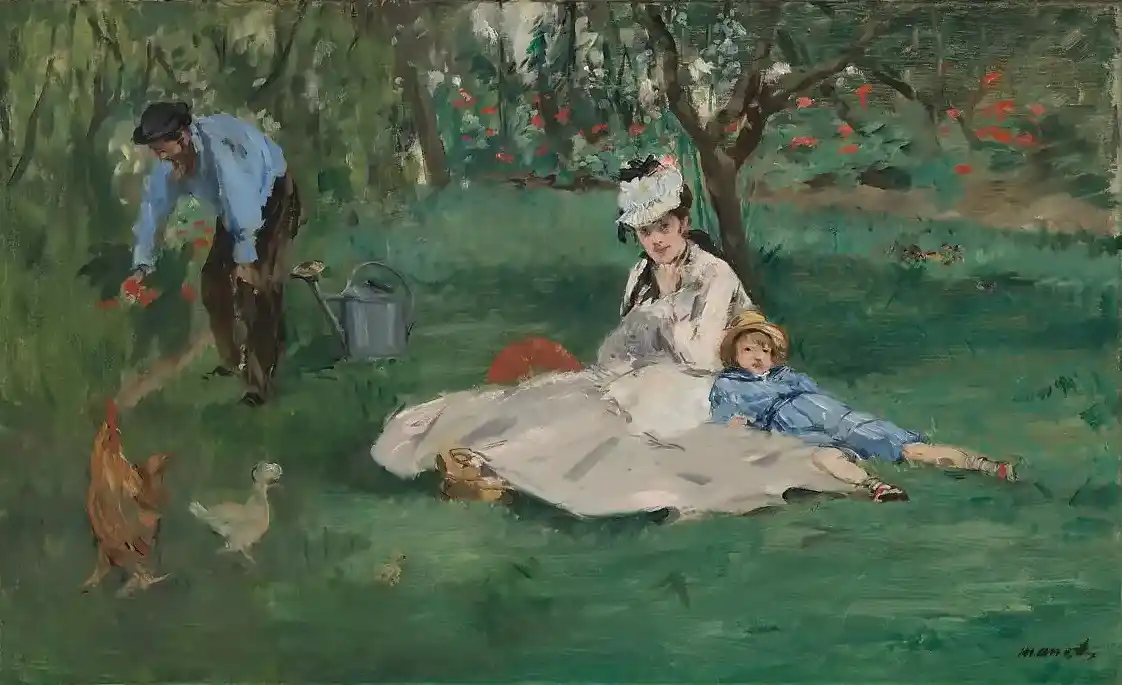
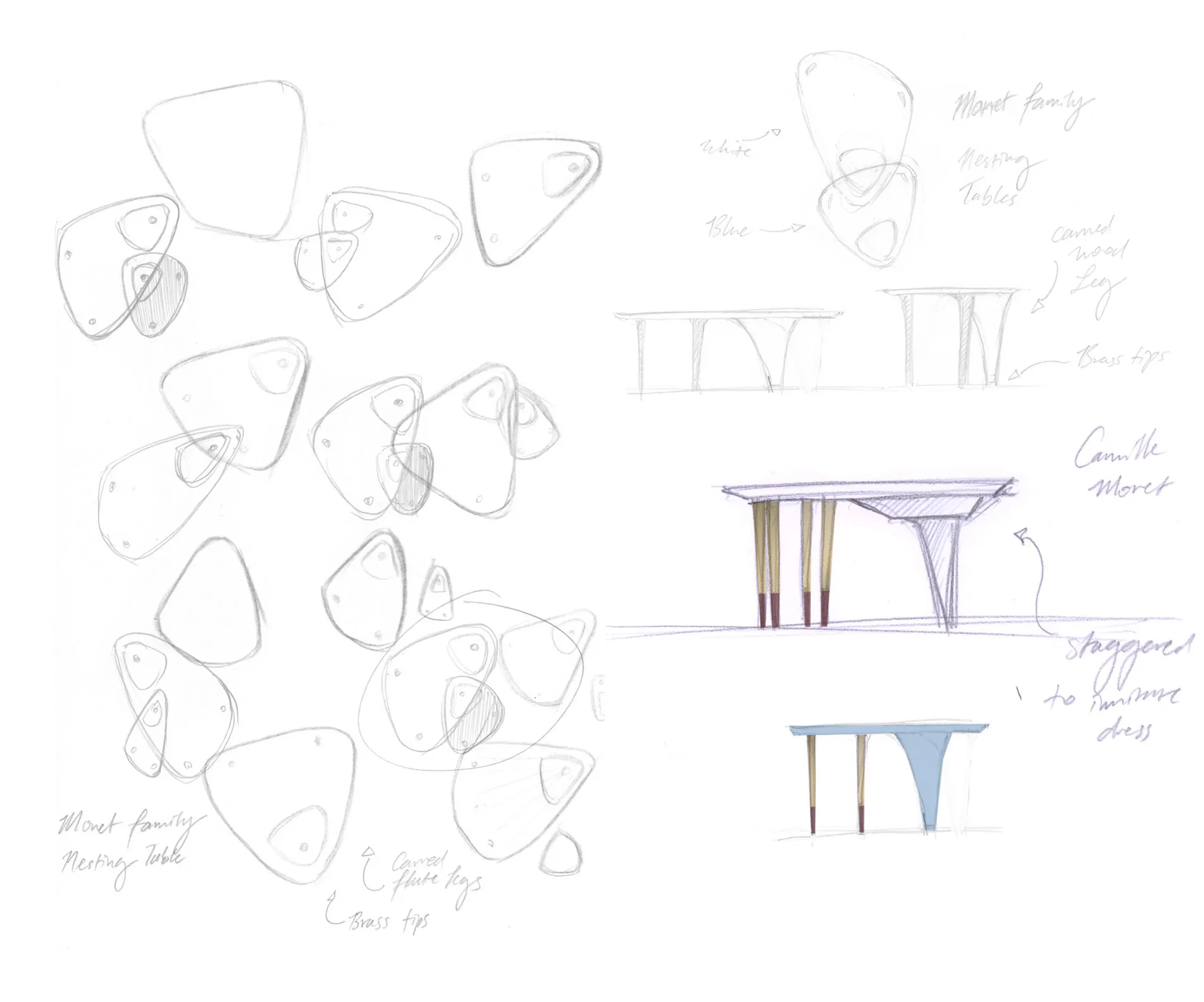
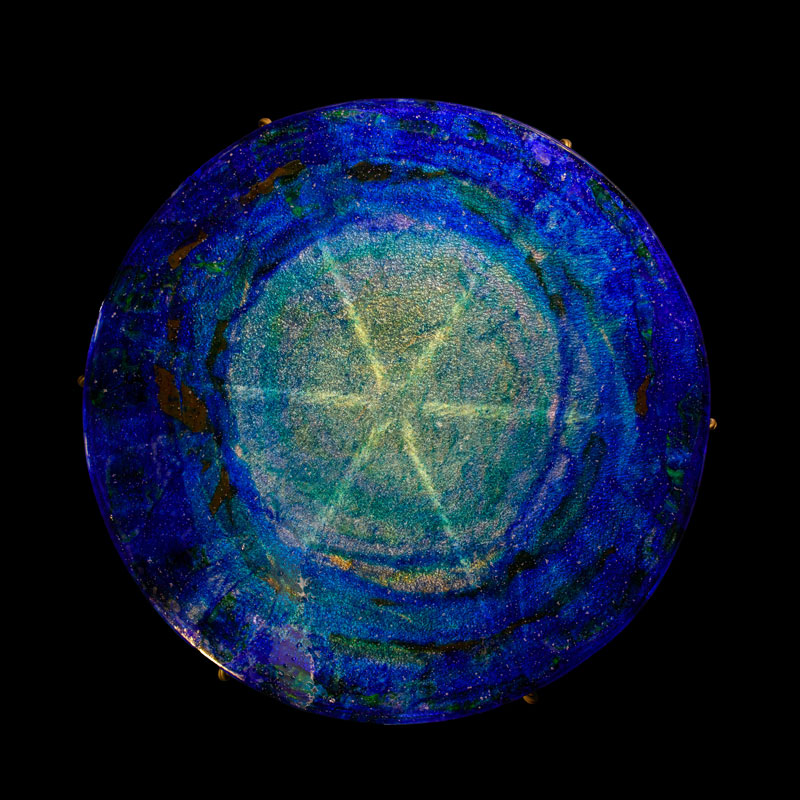
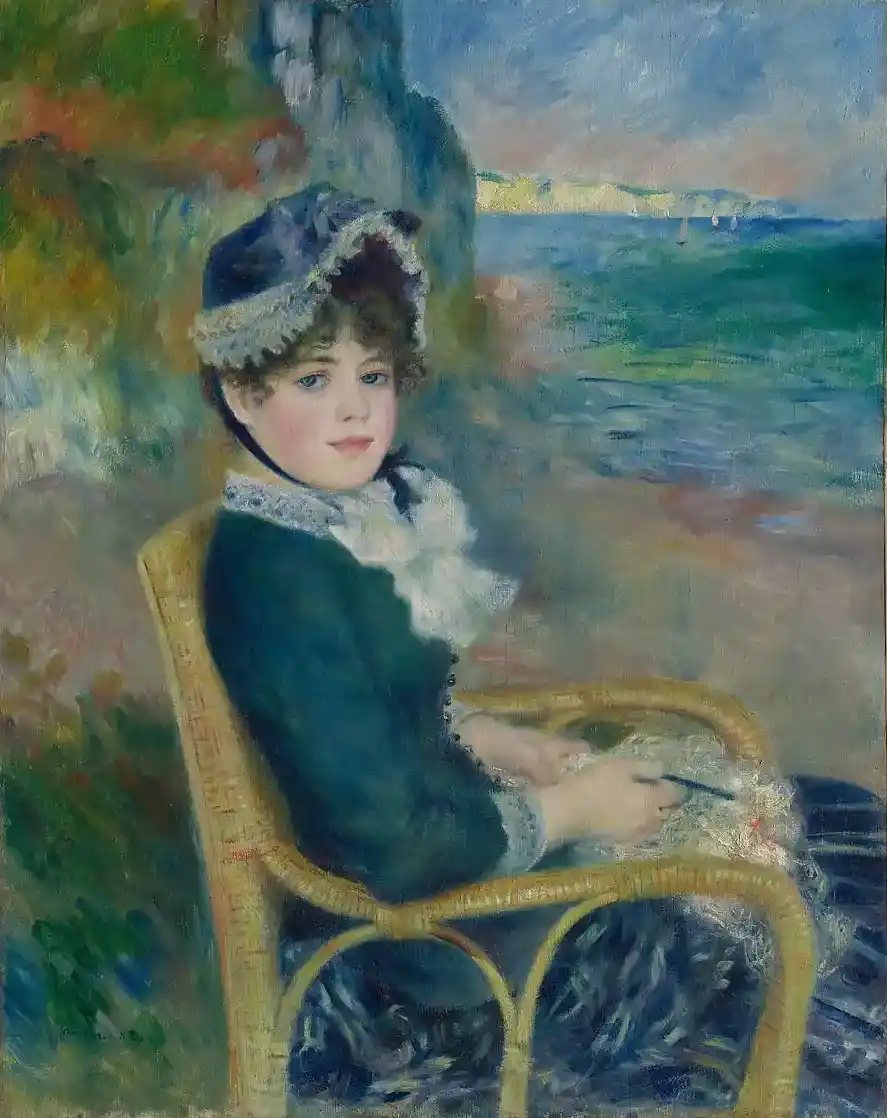
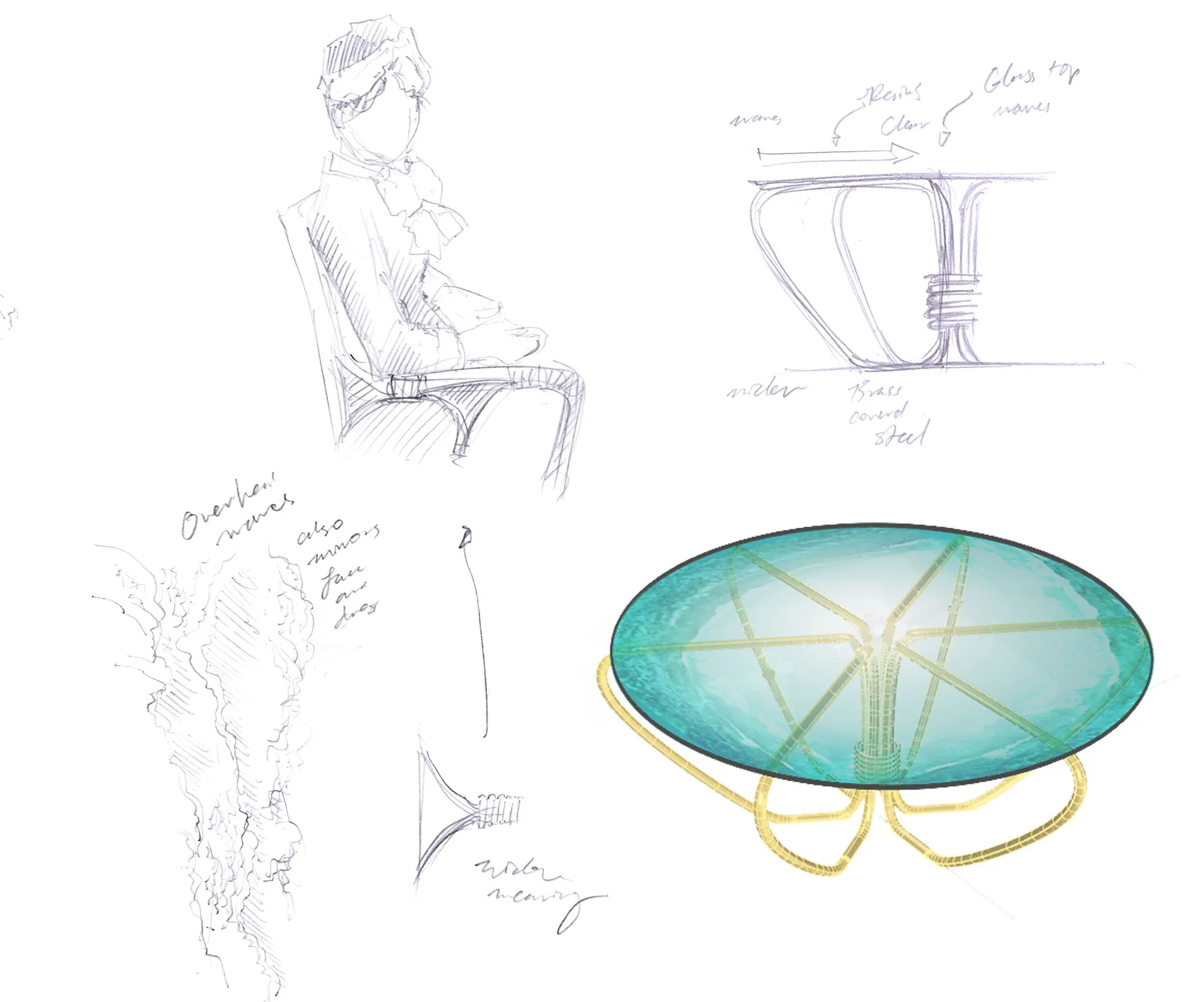
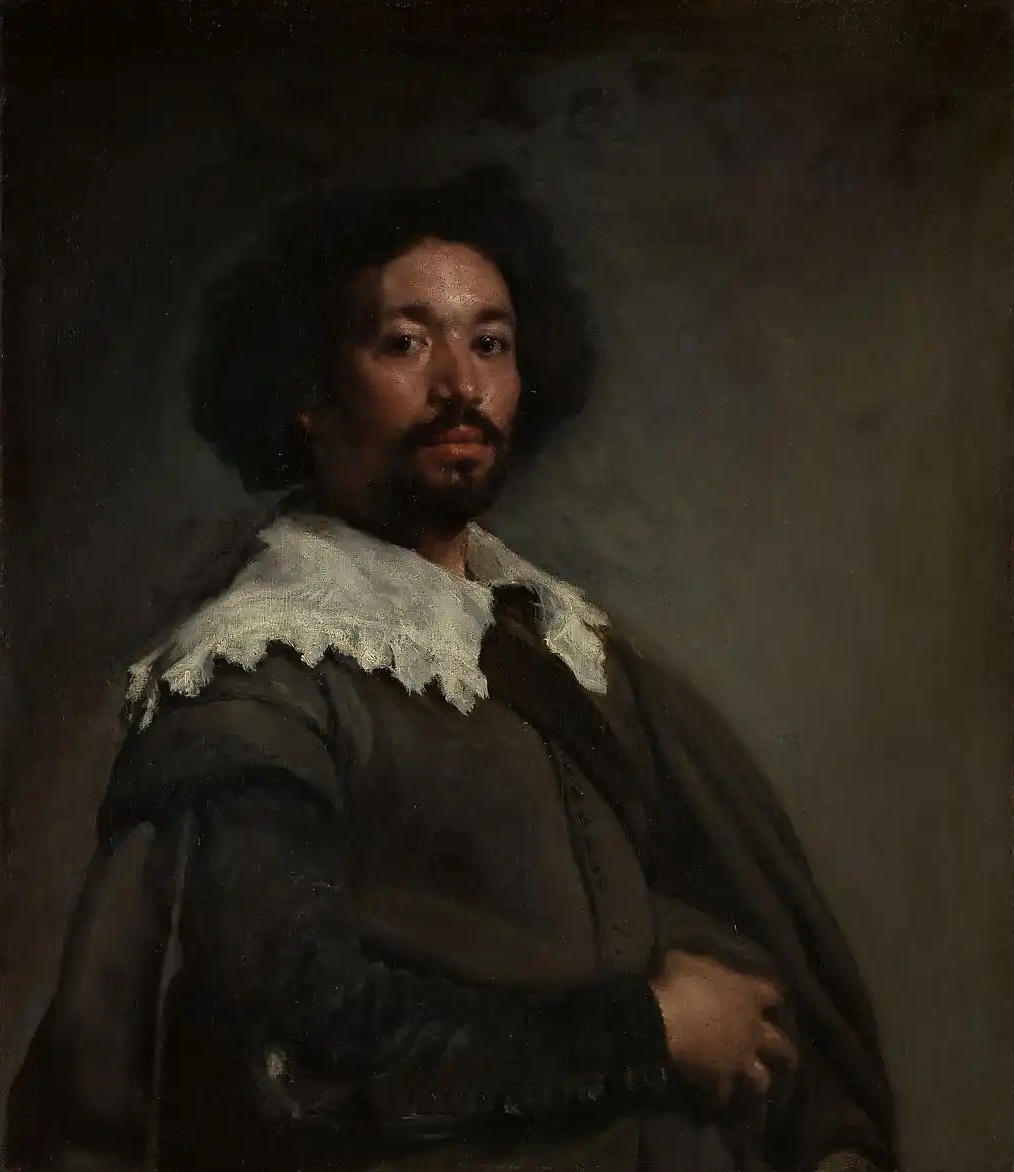
In partnership with The Metropolitan Museum of Art, seven Impressionist masterpieces
were selected from their collection to inspire a unique cross between furniture and art.
Manufactured by AbnerHenry utilizing talented artisans and makers across the US, we created a
singular design from each painting creating a limited run of 70 pieces per piece.
Design Inspiration
The collection’s genesis lies in a deliberate examination of The MET’s exterior: specifically, the recurring motifs of arches, columns, and meticulously crafted metalwork. We weren’t simply seeking to replicate these elements; rather, we aimed to translate their inherent strength, elegance, and complexity into tangible form. The design process was guided by the following core principles:
Architectural Echoes
Each piece directly reflects the architectural language of The Met’s facade, borrowing key structural elements – the arches, columns, and detailing – to create a visual connection.
Material as Storyteller
The selection of materials – maple, oak, and glass – was crucial. These choices weren’t just aesthetic; they were selected for their ability to subtly convey the history and texture of the original architecture. The maple, for instance, echoed the warmth of aged stone, while the oak conveyed a sense of enduring strength.
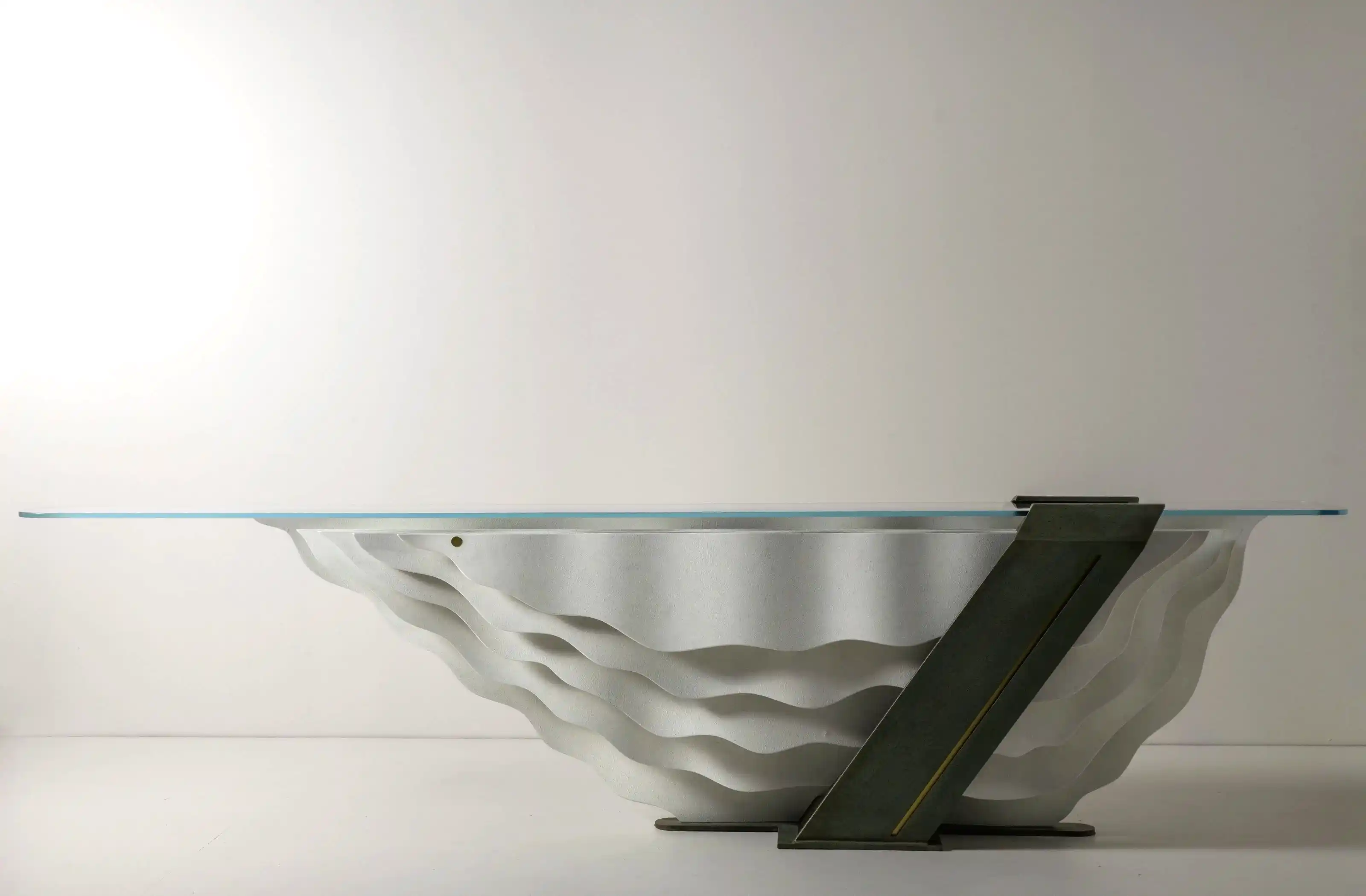
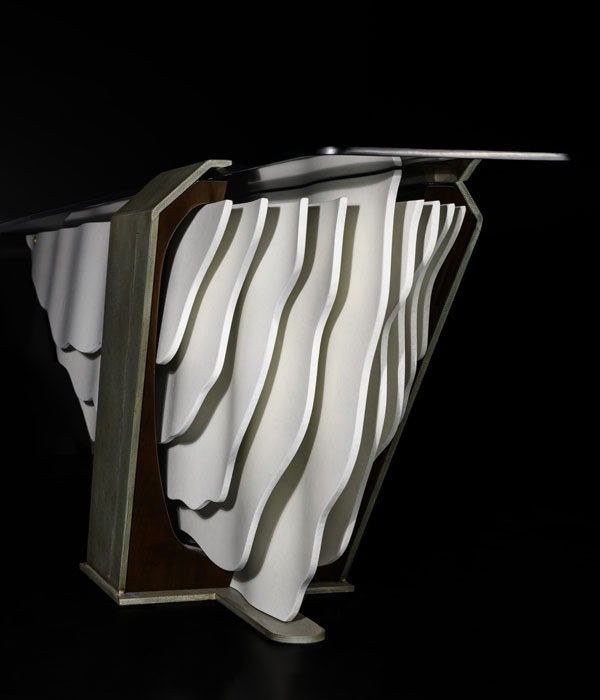
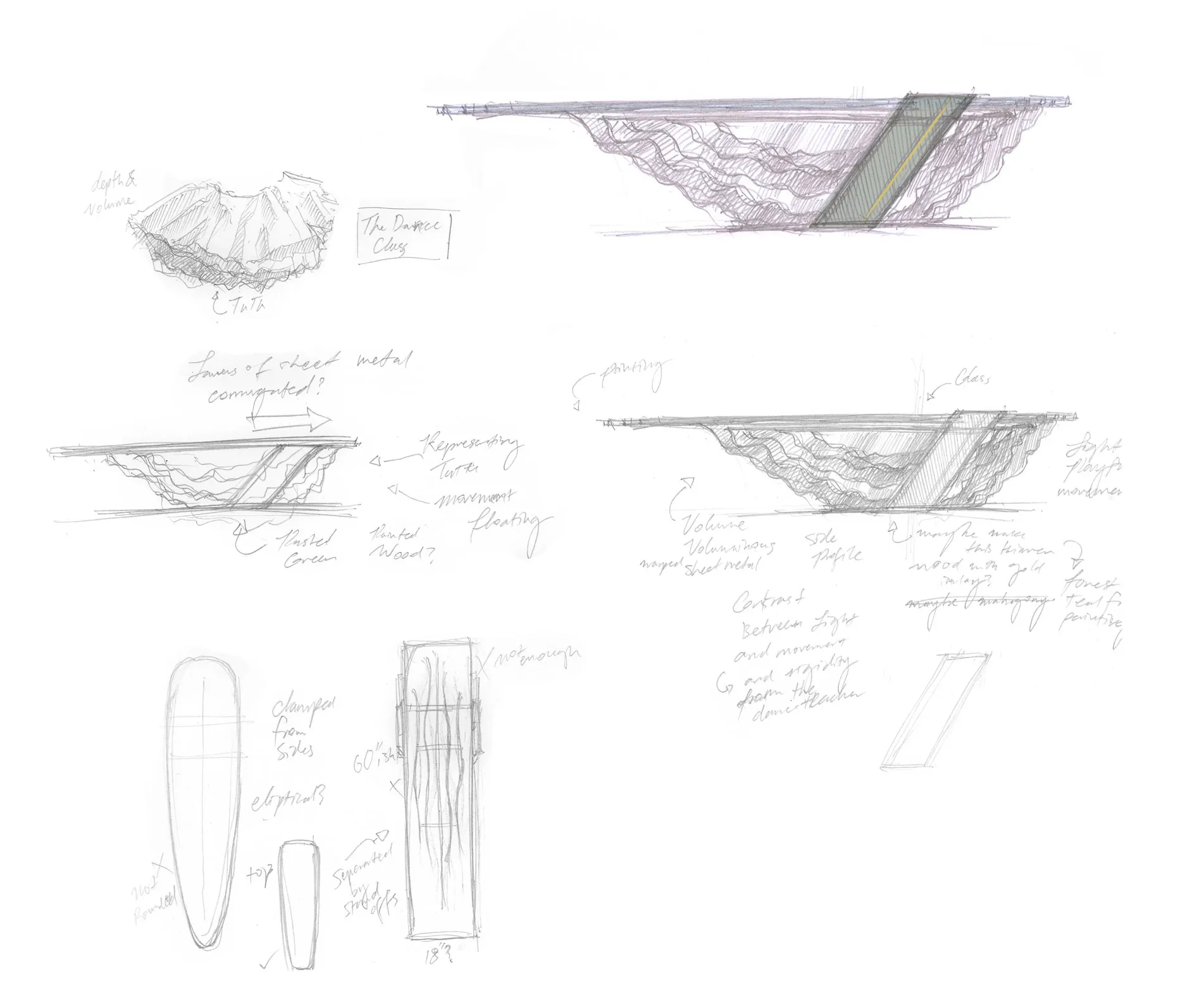
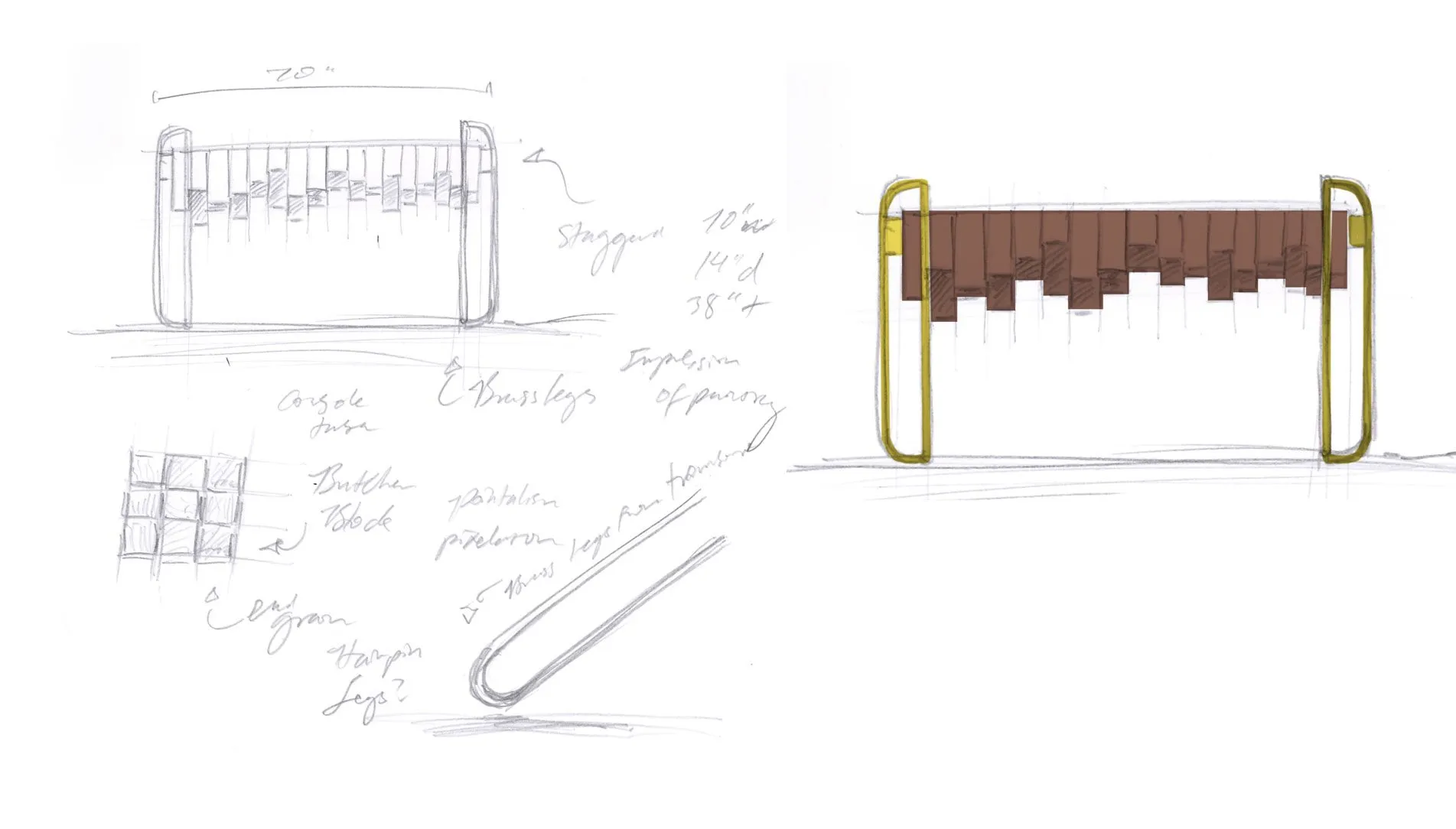
Pirouette
The collection’s genesis lies in a deliberate examination of The MET’s exterior: specifically, the recurring motifs of arches, columns, and meticulously crafted metalwork. We weren’t simply seeking to replicate these elements; rather, we aimed to translate their inherent strength, elegance, and complexity into tangible form. The design process was guided by the following core principles:
See the piece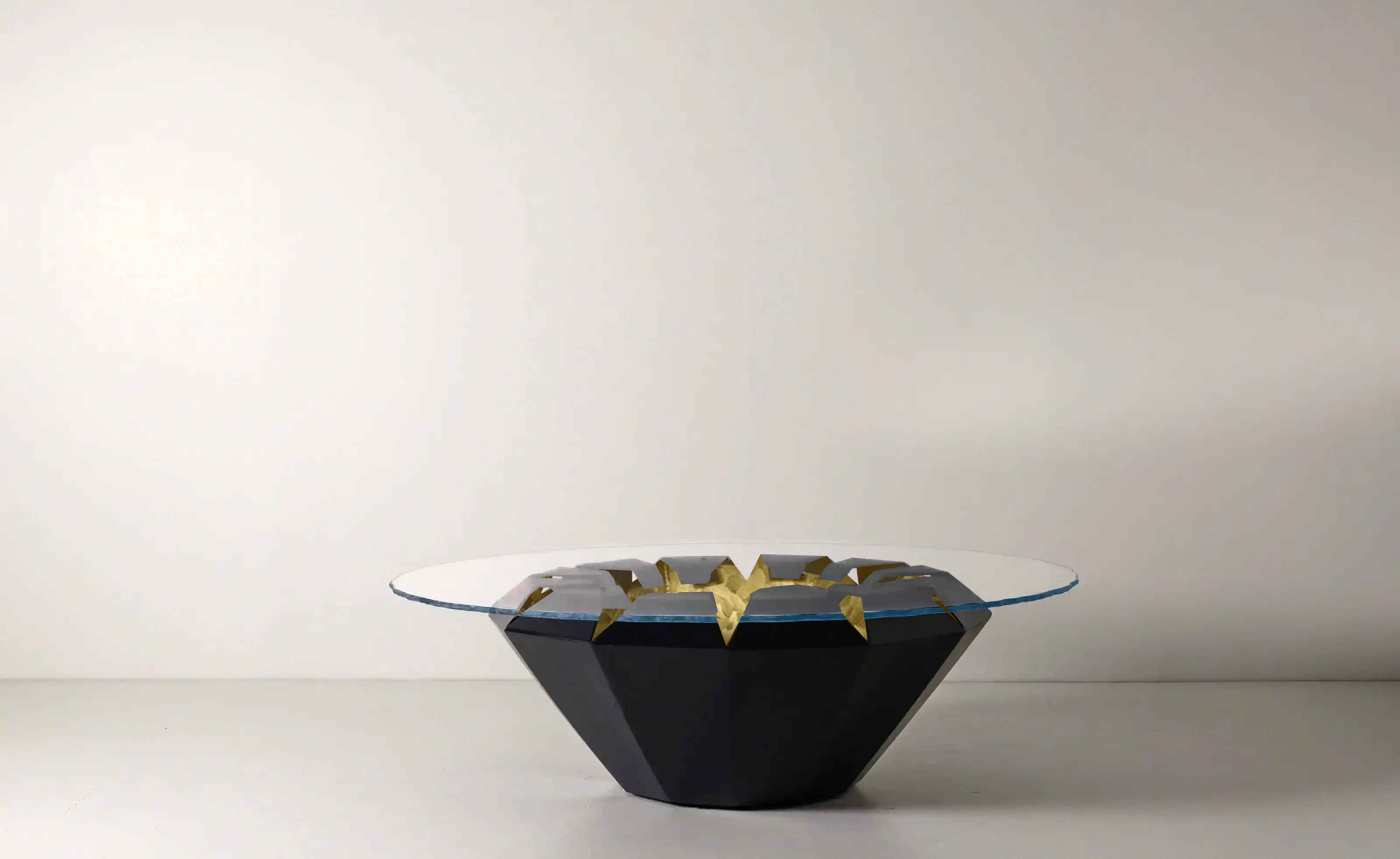
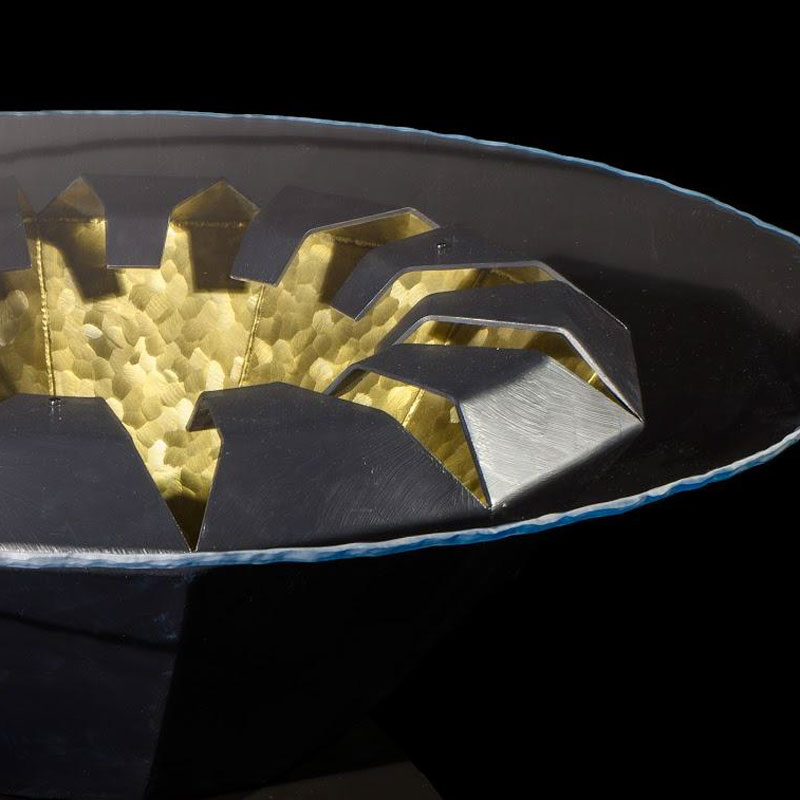
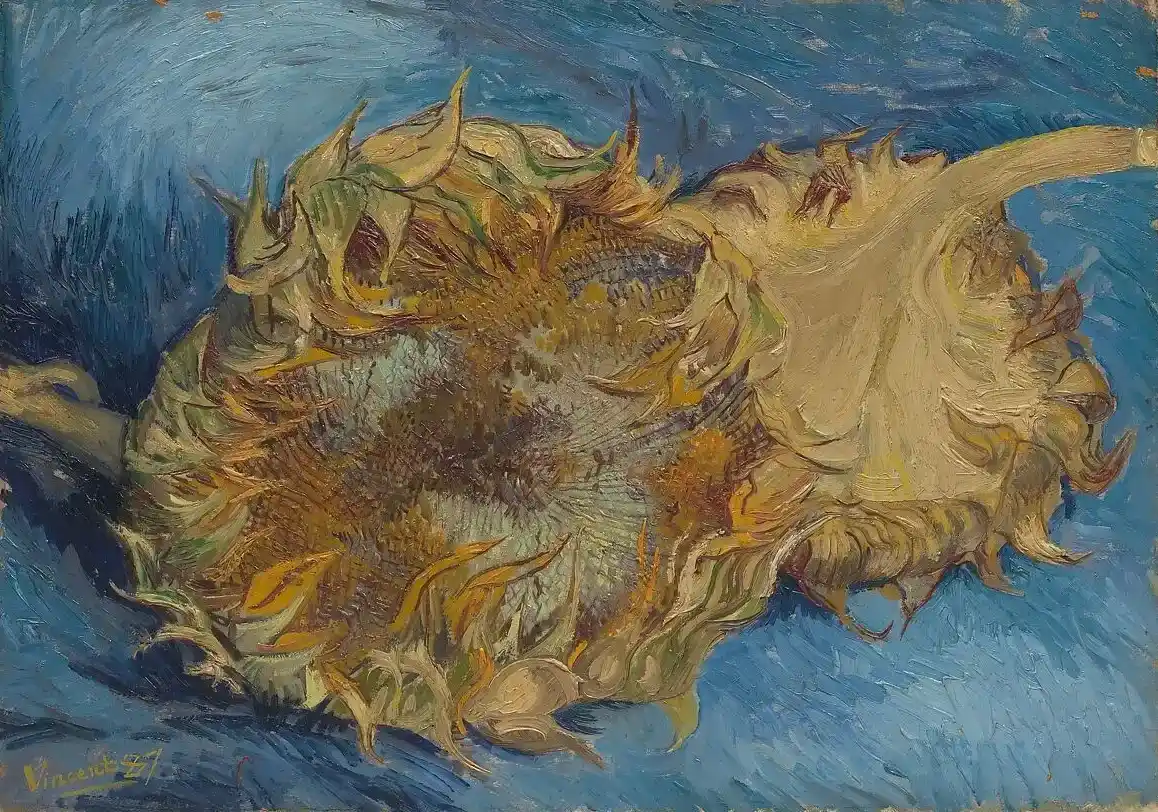
Verlang
The collection’s genesis lies in a deliberate examination of The MET’s exterior: specifically, the recurring motifs of arches, columns, and meticulously crafted metalwork. We weren’t simply seeking to replicate these elements; rather, we aimed to translate their inherent strength, elegance, and complexity into tangible form. The design process was guided by the following core principles:
See the piece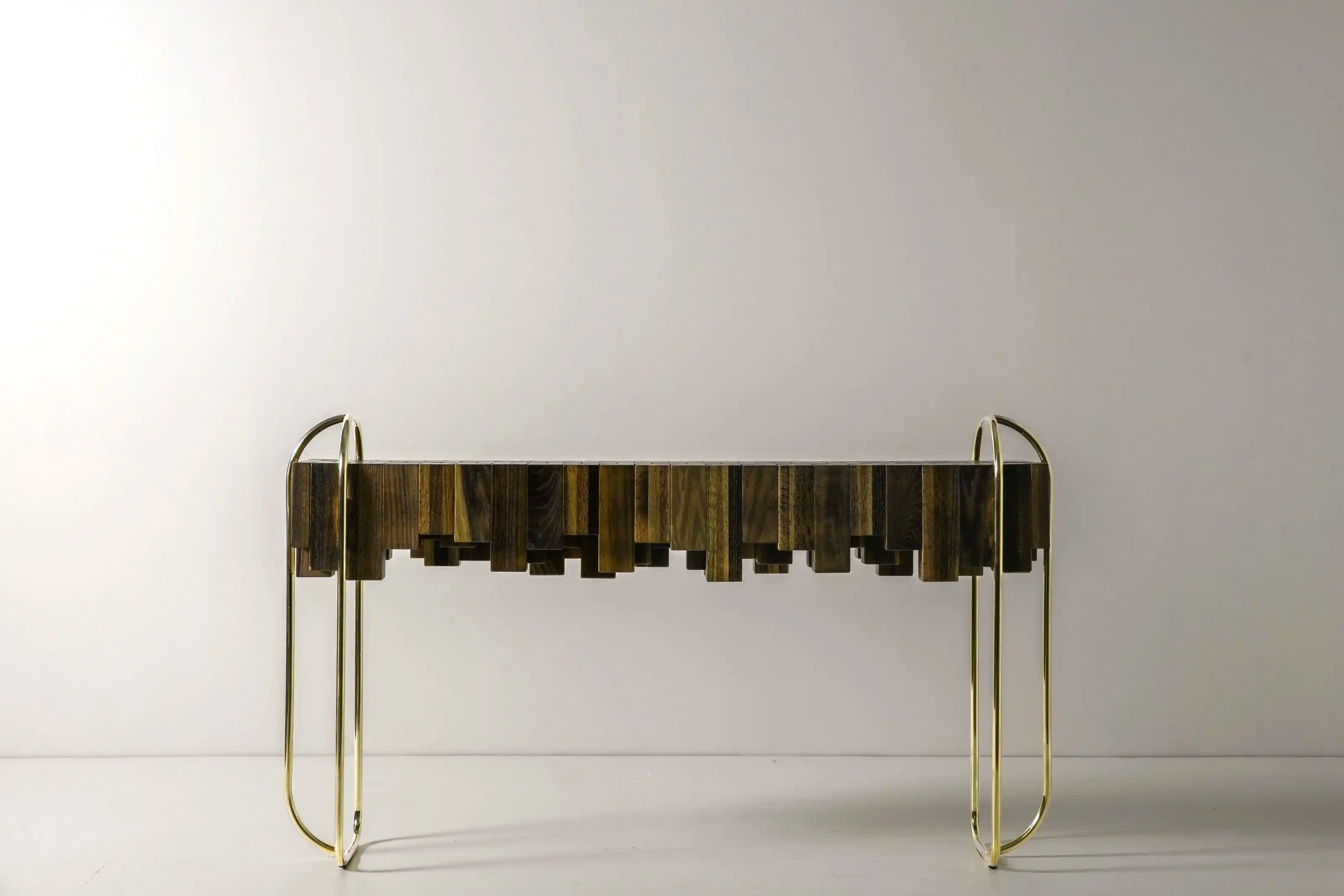
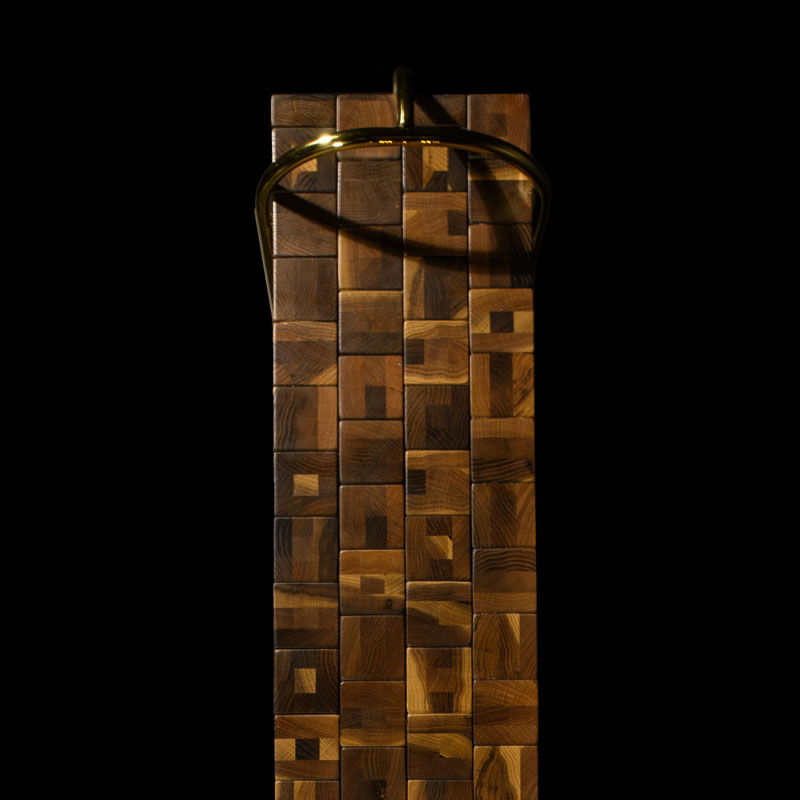
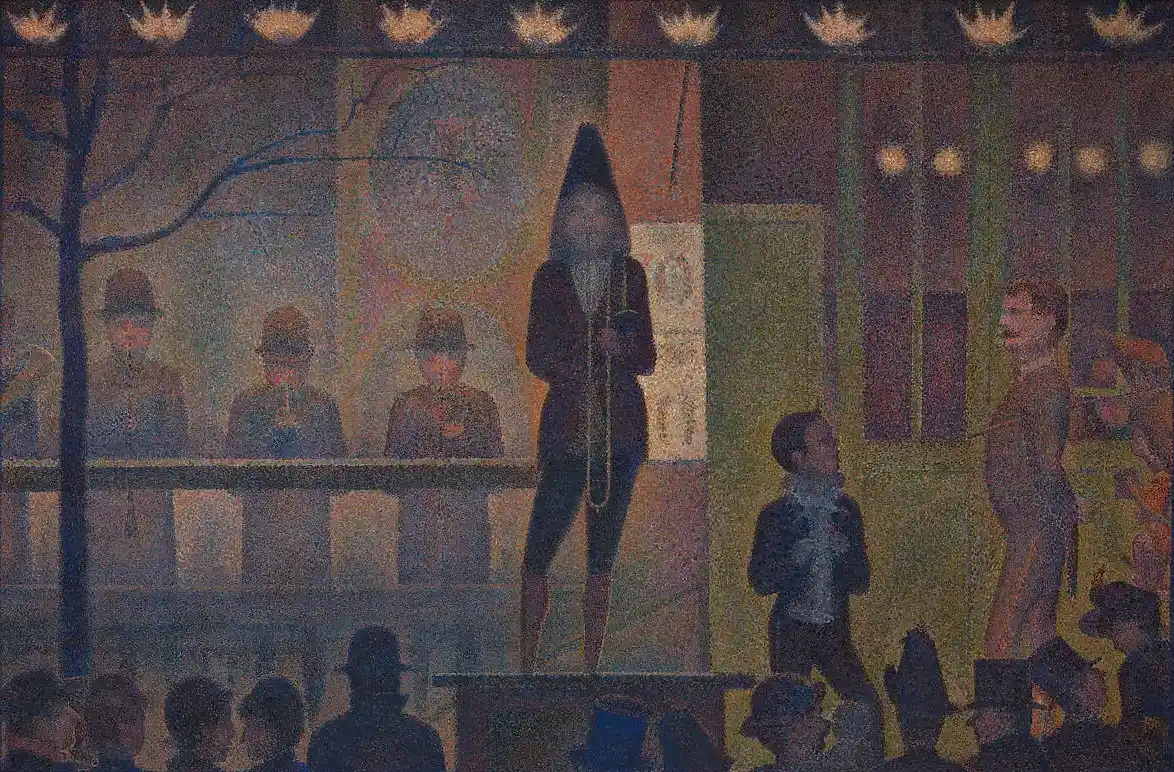
Severine
The collection’s genesis lies in a deliberate examination of The MET’s exterior: specifically, the recurring motifs of arches, columns, and meticulously crafted metalwork. We weren’t simply seeking to replicate these elements; rather, we aimed to translate their inherent strength, elegance, and complexity into tangible form. The design process was guided by the following core principles:
See the piece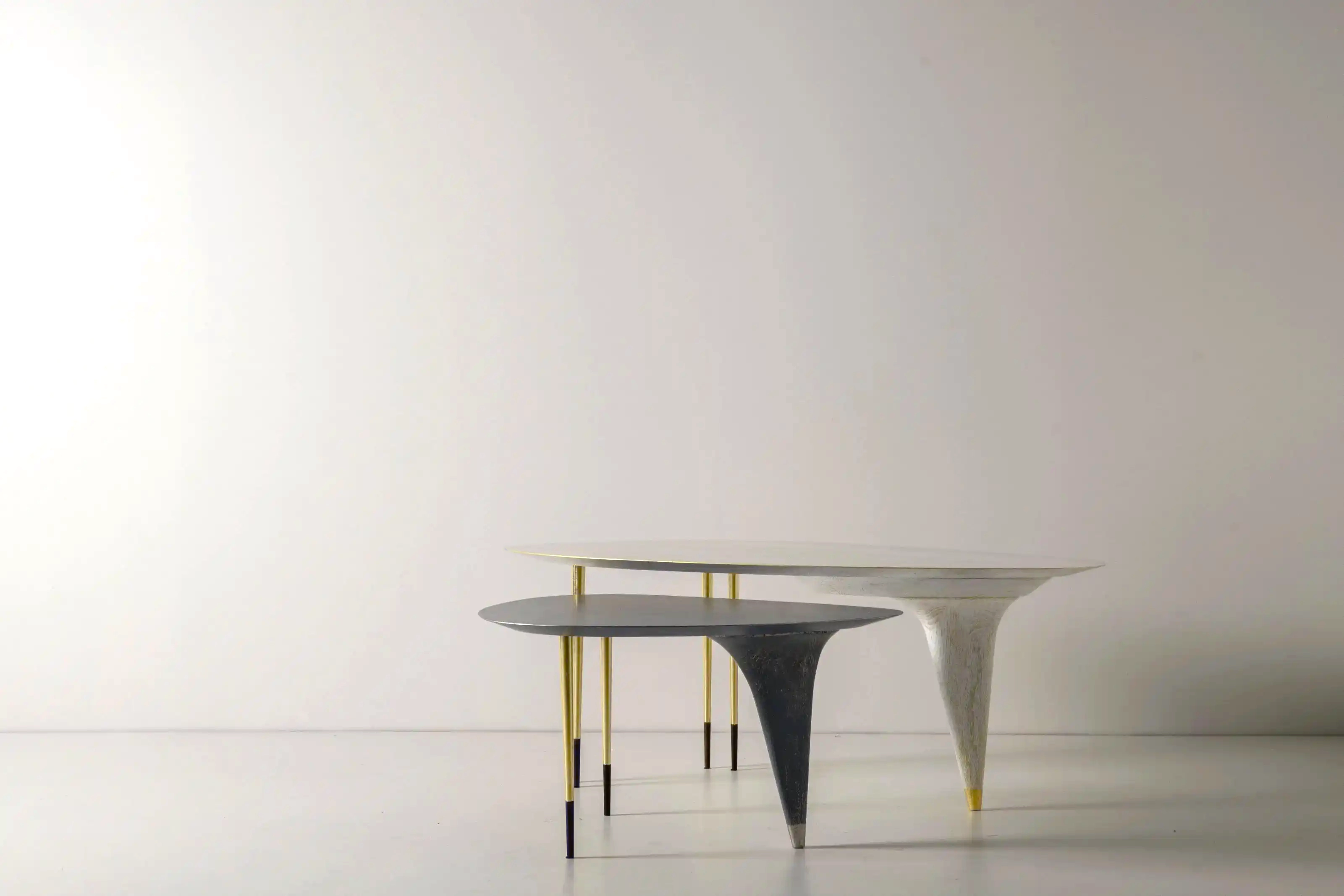
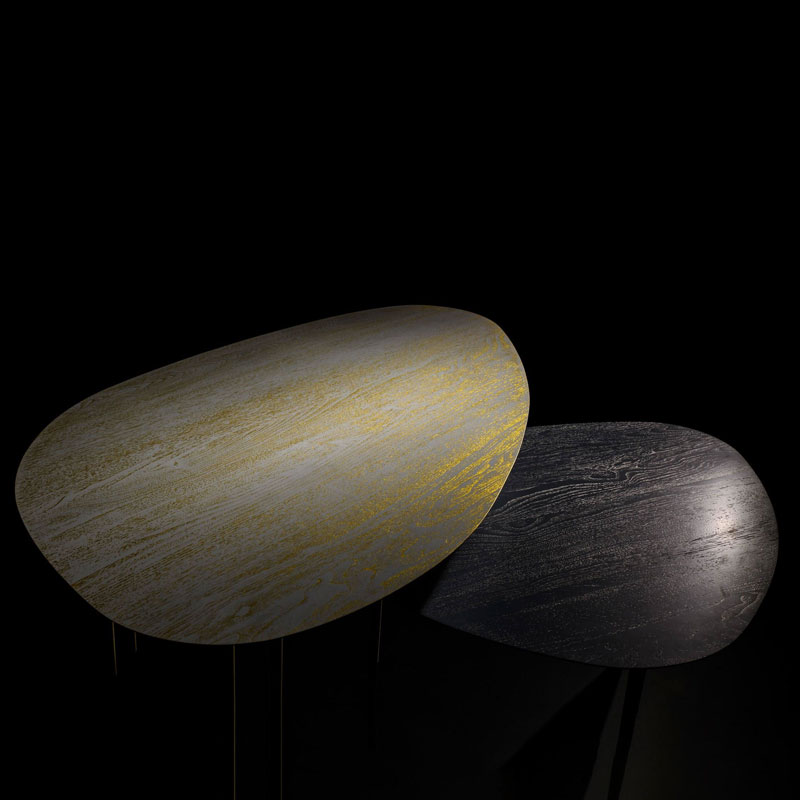
Duet
The collection’s genesis lies in a deliberate examination of The MET’s exterior: specifically, the recurring motifs of arches, columns, and meticulously crafted metalwork. We weren’t simply seeking to replicate these elements; rather, we aimed to translate their inherent strength, elegance, and complexity into tangible form. The design process was guided by the following core principles:
See the piece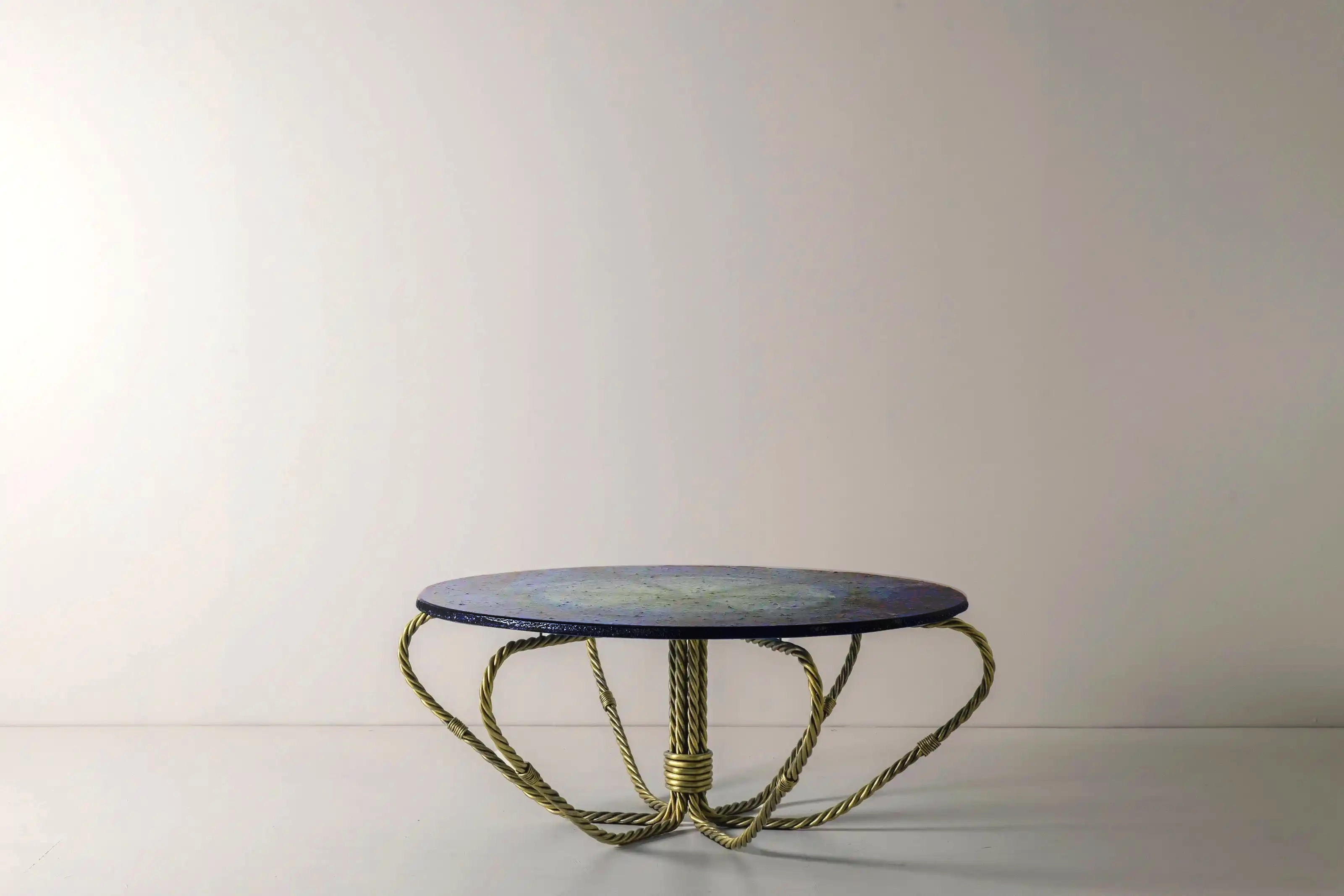
Coralie
The collection’s genesis lies in a deliberate examination of The MET’s exterior: specifically, the recurring motifs of arches, columns, and meticulously crafted metalwork. We weren’t simply seeking to replicate these elements; rather, we aimed to translate their inherent strength, elegance, and complexity into tangible form. The design process was guided by the following core principles:
See the piece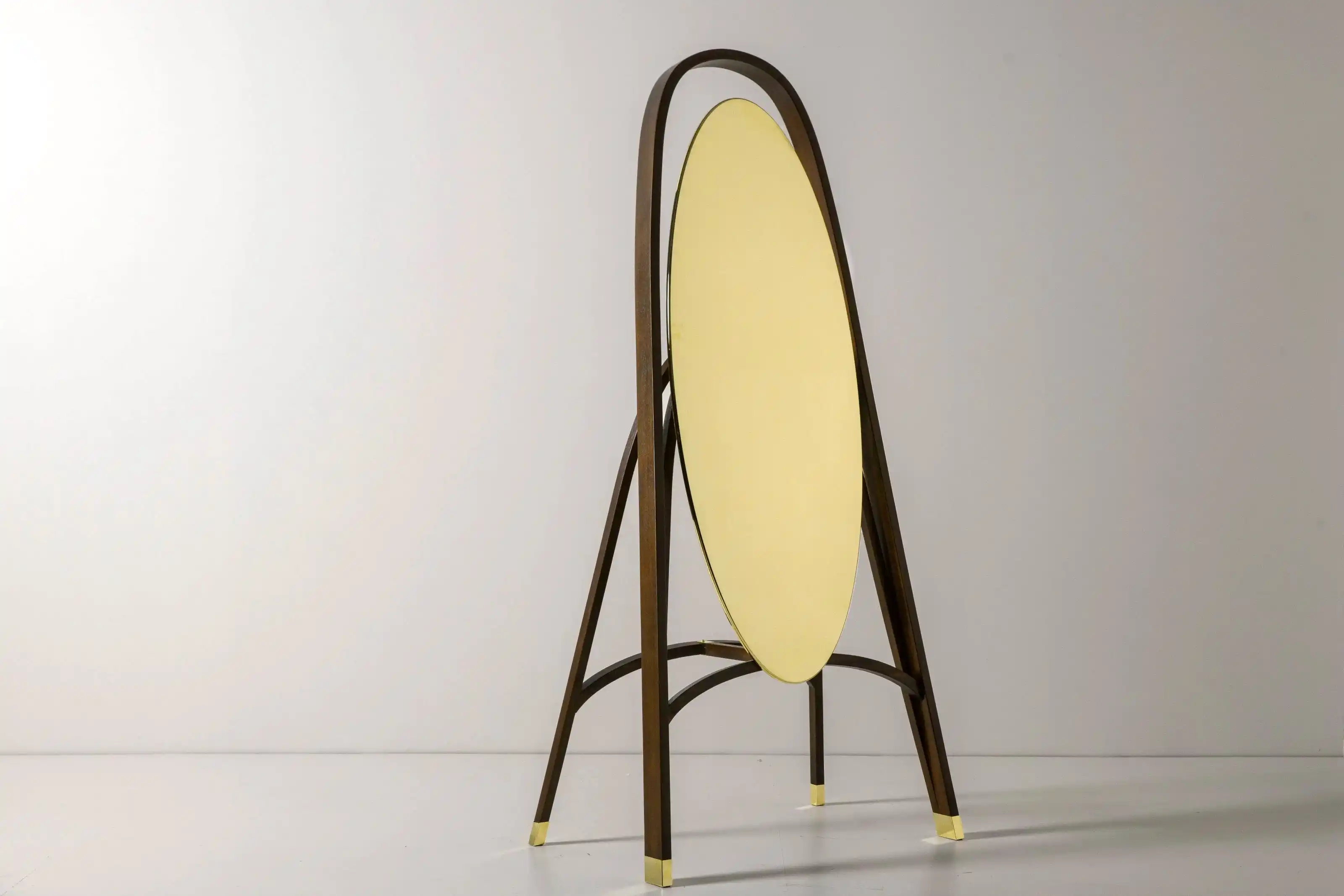
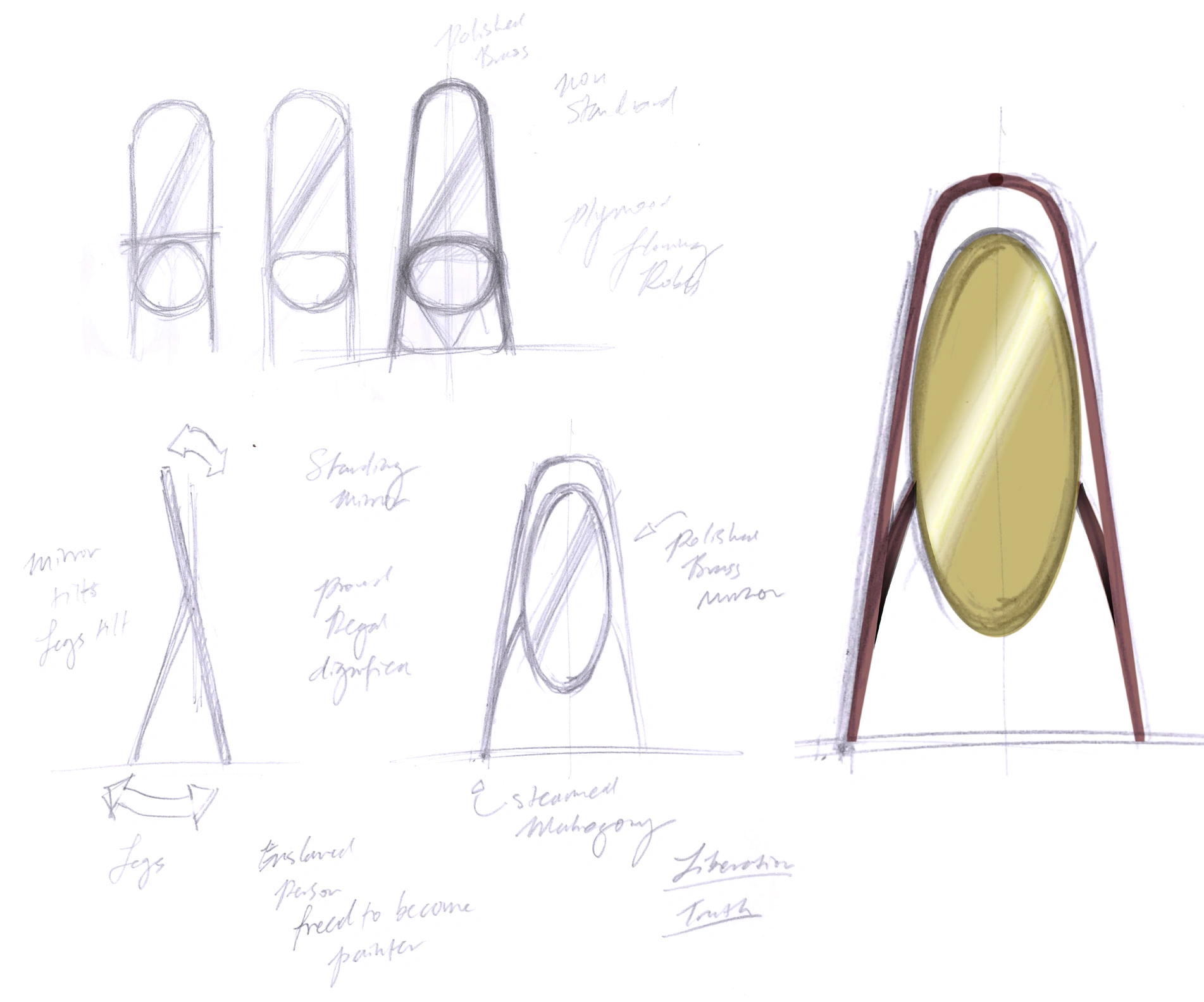
Ventana
The collection’s genesis lies in a deliberate examination of The MET’s exterior: specifically, the recurring motifs of arches, columns, and meticulously crafted metalwork. We weren’t simply seeking to replicate these elements; rather, we aimed to translate their inherent strength, elegance, and complexity into tangible form. The design process was guided by the following core principles:
See the piece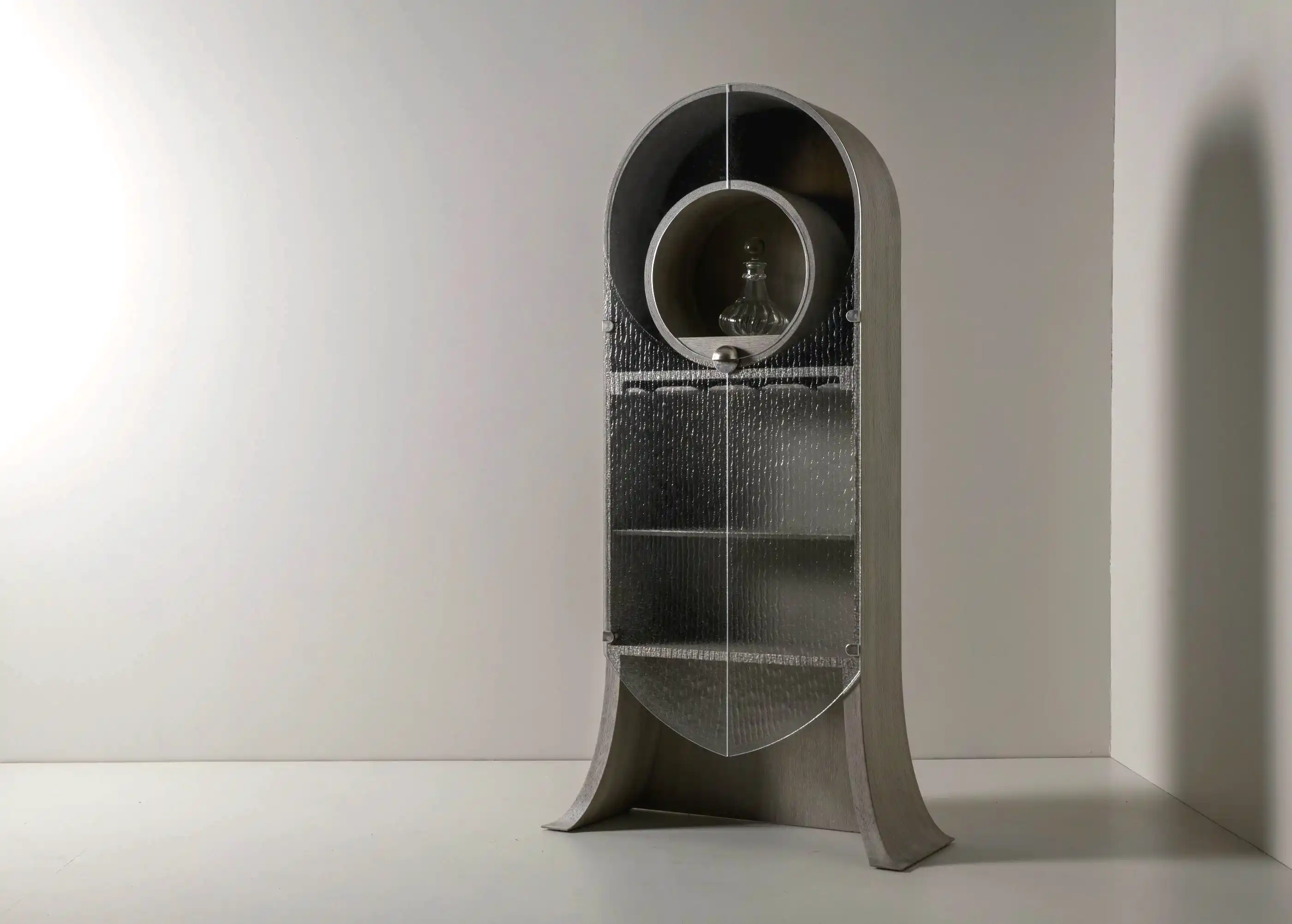
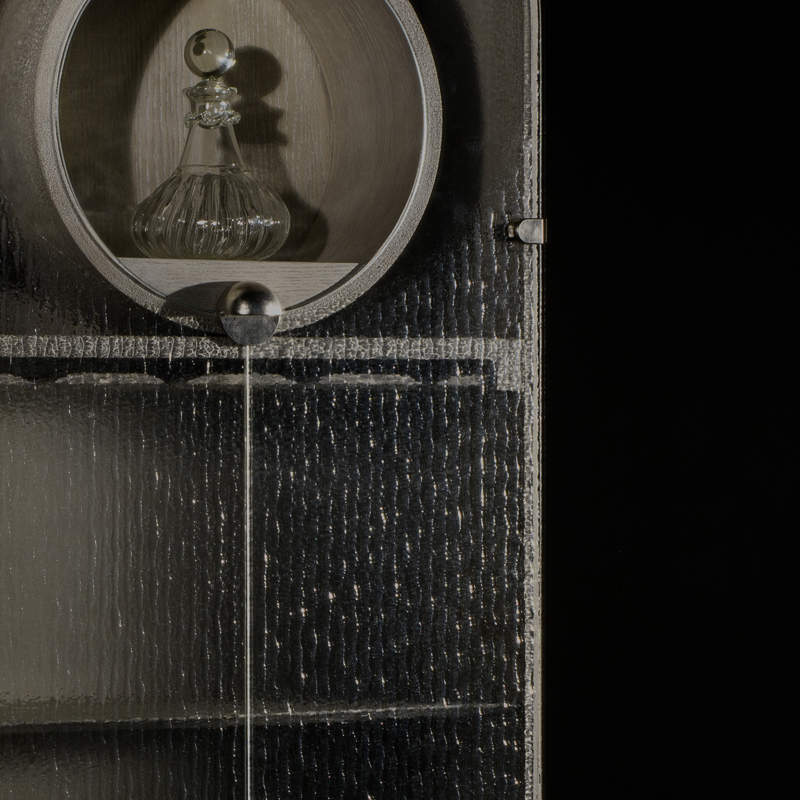
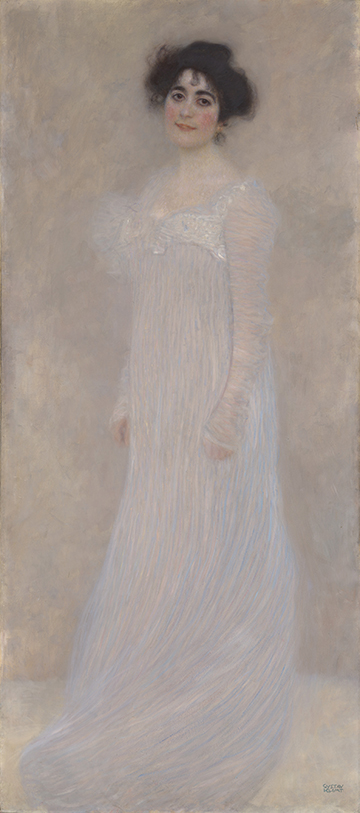
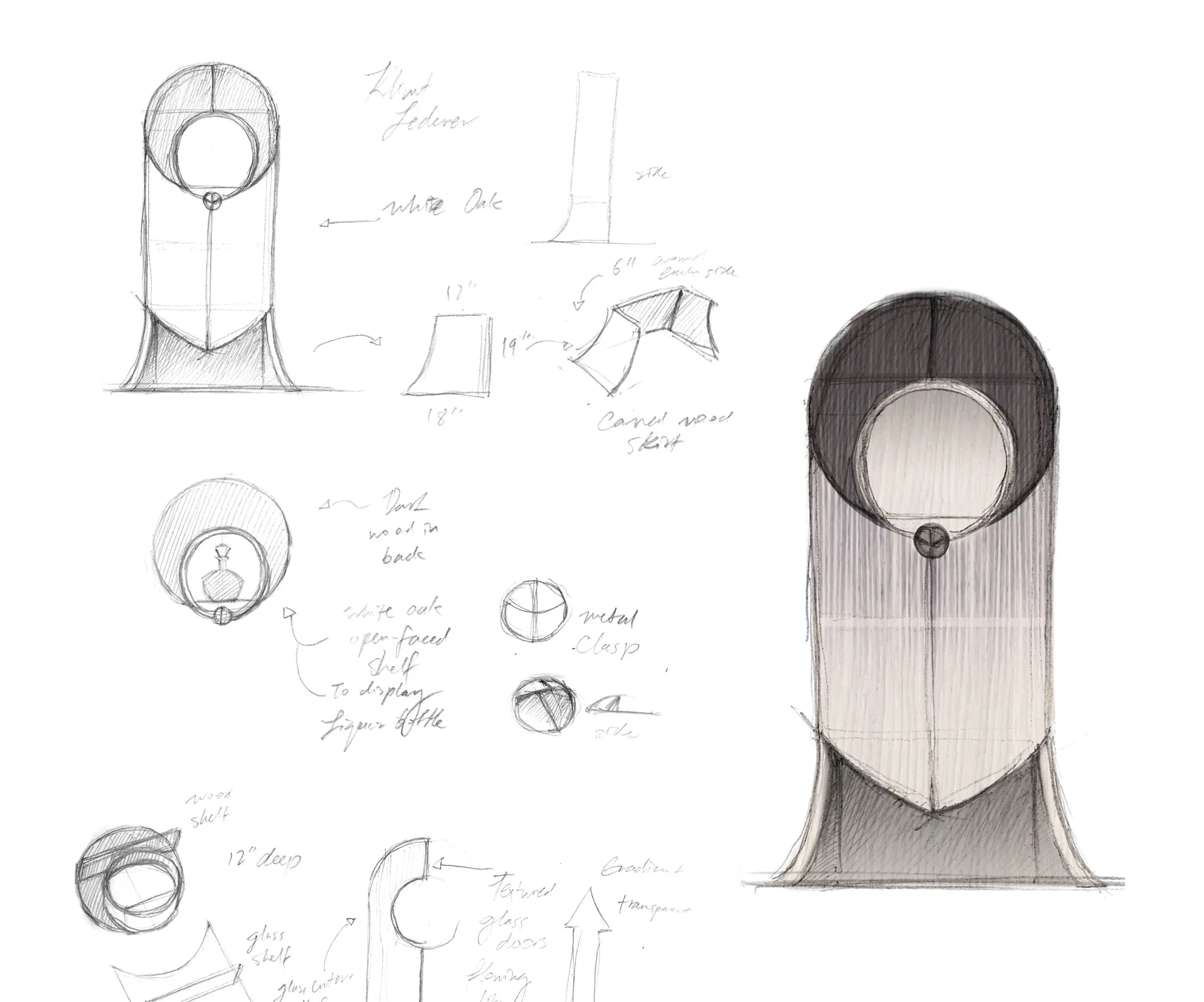
Serena
The collection’s genesis lies in a deliberate examination of The MET’s exterior: specifically, the recurring motifs of arches, columns, and meticulously crafted metalwork. We weren’t simply seeking to replicate these elements; rather, we aimed to translate their inherent strength, elegance, and complexity into tangible form. The design process was guided by the following core principles:
See the piece